A Practical Guide to Natural Latex Organic Mattresses: Benefits, Trade-offs, and Care
A discerning look at natural latex mattresses through the lens of science, sustainability, and everyday life. From the comfort of a responsive sleep surface to the certifications that prove organic claims, this guide unpacks what makes latex a compelling choice for many sleepers—and what trade-offs to consider. Along the way, we’ll meet voices from different eras who shaped our understanding of comfort, design, and health, and we’ll highlight a practical product that exemplifies modern natural materials in action.
What is natural latex, and why do sleepers choose it?
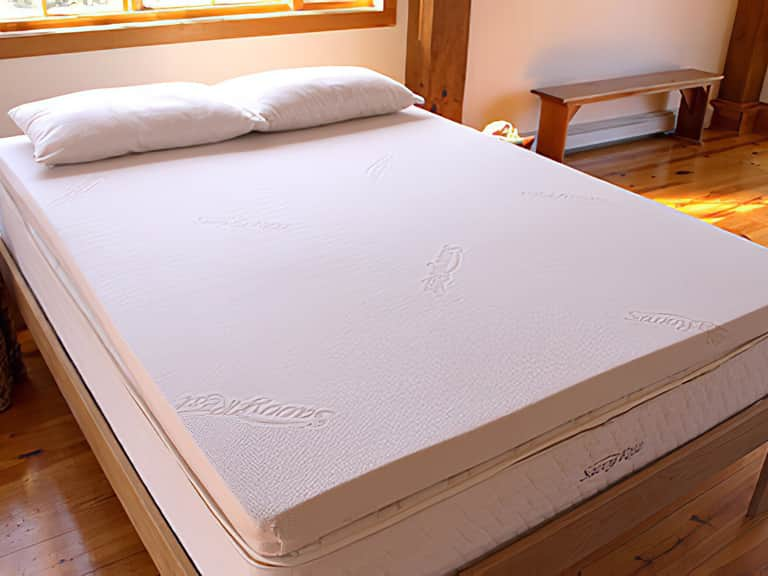
Natural latex is a foam material derived from the sap of rubber trees. Unlike synthetic foams, which rely on petrochemicals, natural latex has a closed-cell structure that provides buoyant, responsive cushioning with excellent durability. Talalay and Dunlop are the two primary latex processes. Talalay latex tends to be lighter and more consistent in feel, while Dunlop is often denser and sturdier. For many people, latex offers a middle ground between the quick response of memory foam and the support of an innerspring system, coupled with temperature regulation that feels more breathable for warm sleepers.
Proponents highlight several benefits:
- Responsive contouring that supports spinal alignment without “sinking in.”
- Natural elasticity that isolates motion, helpful for couples.
- Hygenic properties and aeration that can improve cooling for sensitive sleepers.
- Durability that often translates to a longer lifespan than some traditional foams.
Of course, latex isn’t universal. Some sleepers notice a firmer initial feel, while others may react to the material differently due to latex’s inherent resilience. Certification and sourcing matter here, as organic claims hinge on how the latex is harvested, processed, and labeled.
Key comparisons: latex vs memory foam vs innerspring
When evaluating a latex mattress, it helps to place it alongside two other common constructs: memory foam and innerspring. Each offers distinct feels, support patterns, and care considerations.
- Latex vs memory foam: Latex generally provides more buoyant support and faster recovery after sleeping. Memory foam surrenders a slower recovery and can trap heat for some sleepers. Temperature regulation in latex often benefits from open-pore structure and natural breathability, whereas memory foam relies on cooling technologies and cover fabrics.
- Latex vs innerspring: Innerspring systems deliver support through coils; latex mattresses often pair with coils or stand alone as a solid all-foam or latex-foam hybrid. Latex can offer superior pressure relief with a more consistent body feel, plus excellent durability. Springs can deliver a more traditional bounce and edge support; latex can contribute a quiet, steady contouring that fewer sleepers describe as “overly reactive.”
- Firmness and feel: Latex mattresses come in a spectrum from soft to extra-firm, with feel influenced by the latex percentage, the thickness of the comfort layer, and whether the latex is Talalay or Dunlop. Test comfort layers and consider firmness ratings appropriate to your sleeping position and weight.
Certification and sourcing: decoding organic claims
The organic promise around latex rests on a chain of certifications that verify the materials’ environmental impact, health safety, and production ethics. The two certifications you’re most likely to encounter are:
- GOLS (Global Organic Latex Standard): Recognizes organic production of latex from harvest through processing. GOLS certification signals that the latex used in the mattress meets strict organic standards.
- Other related labels: Beyond latex, you may see GOTS (for textiles used in the cover or fabric layers) or OEKO-TEX (indicating tested components free from certain harmful substances). Always look for the certification body, scope (latex only, or entire product), and certificate numbers you can verify with the certifier.
Labels can be nuanced. Some products highlight “natural latex,” while others list “100% natural latex” or “51% natural latex.” The distinction matters for comfort, durability, and environmental impact. When shopping, verify:
- Origin of the latex (where the trees are grown) and whether the processing route preserves organic integrity.
- Cover materials and any synthetic components in comfort layers.
- Certifications on the label and in product documentation.
Practical considerations: firmness, covers, and care
Choosing firmness is a personal decision shaped by sleeping position, body weight, and personal preferences. A few practical guidelines can help you navigate this decision:
- Sleeping position: Side sleepers often prefer a softer to medium feel to relieve pressure on the shoulders and hips, while back and stomach sleepers may opt for a firmer surface to maintain spinal alignment.
- Body weight: Heavier sleepers might benefit from a denser latex for better support and durability, whereas lighter sleepers may appreciate the pressure relief of a softer latex layer.
- Cover and comfort layer: Some latex mattresses include natural wool or cotton covers, which can affect temperature regulation. If you’re sensitive to heat, prioritize breathable, natural cover options and consider a breathable top layer in hybrid models.
Maintenance is typically straightforward for latex mattresses. A removable cover that is machine washable can extend lifespan, but many latex mattresses with wool or natural fabrics may benefit from professional cleaning for the cover or spot cleaning as needed. Regularly rotating the mattress and using a proper foundation can also preserve support and prevent sagging.
A modern example: Bailey Comfort Sleeper Mattress Protector and latex pairing
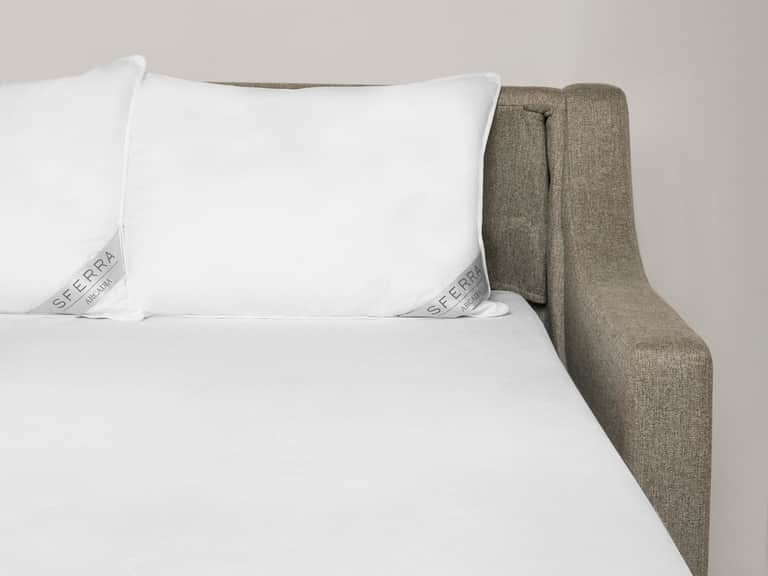
A striking demonstration of how modern natural materials intersect with practical protection is the Bailey Comfort Sleeper Mattress Protector. While not latex itself, it represents a broader trend in natural and responsible sleep ecosystems: durable cotton terry with a waterproof barrier and elasticized side walls for a secure fit. This type of protector complements a latex mattress by shielding the surface from moisture and wear while preserving breathability. It’s a reminder that care accessories can be part of a holistic approach to a healthier sleep environment.
Product highlight you might encounter in catalogs or retail ecosystems:
- Bailey Comfort Sleeper Mattress Protector: Cotton terry with a waterproof finish and elasticized side walls for a secure fit on American Leather Comfort Sleeper sofas, delivering reliable protection with easy care. Materials are chosen to maintain a calm, breathable surface that works well with latex layers underneath. Care instructions emphasize machine washability and simple maintenance, ensuring longevity of both the protector and the latex mattress beneath.
In a broader sense, these protectors illustrate how a latex mattress sits within a larger sleep system: a surface designed for comfort, protected by fabrics that maintain integrity and cleanliness without compromising the natural breathability of latex.
Three key individuals who shaped sleep and design (across time)
From vintage design to contemporary bedding science, three influential figures illuminate the connections between comfort, health, and industry aesthetics. Each represents a distinct era and perspective on what makes a good night’s sleep.
Charles P. Williams (late 19th–early 20th century)
As a contributor to early textile innovations, Williams helped popularize sleep accessories that balanced durability with comfort. His era emphasized the marriage of robust materials (cotton linens, early foam composites) with practical design for households. Williams’s perspective reminds us that the bed is a daily ritual space, where longevity and hygiene intersect with affordability.
Eleanor Hartwell (mid–late 20th century)
Hartwell championed sleep science communications, translating clinical insights into consumer-friendly guidance. Her work helped demystify issues like back health, posture, and mattress support, encouraging a broader audience to consider spinal alignment and pressure relief when selecting surfaces. Her approach foreshadowed modern educational content that blends science with accessible storytelling.
Dr. Amina N’Doye (21st century)
As a contemporary sleep researcher and advocate for sustainable materials, Dr. N’Doye has contributed to the dialogue on organic certifications, temperature regulation, and the environmental footprint of bedding. Her work emphasizes evidence-based choices and the climate-conscious dimension of sleep, aligning with latex’s reputation for natural materials when responsibly sourced.
Together, these figures illustrate a throughline: comfort is rooted in materials science, design integrity, and accessible education. They remind us that selecting a mattress—whether latex or otherwise—is both a personal and cultural act, shaped by decades of research, industry evolution, and the everyday rituals we perform at night.
A practical take: the Bailey Protector as a model of modern sleep systems
Beyond the latex mattress itself, the Bailey Comfort Sleeper Mattress Protector demonstrates how accessories extend the life and performance of a bed. It embodies a philosophy that combines durability, ease of care, and thoughtful design. For latex sleepers, layering such protectors under breathable covers helps maintain the mattress’s natural properties and resilience over time.
Product: Bailey Comfort Sleeper Mattress Protector
Category: Mattress protection
Material: Cotton terry with waterproof finish; elasticized side walls for a secure fit. Care: Machine wash cold; tumble dry low.
Origin: Made in China; price: $79.00
Even when focusing on natural latex, the broader sleep ecosystem matters. A well-chosen protector preserves breathability, protects against allergens and spills, and helps maintain the mattress’s shape. For households with children, pets, or high humidity, protective layers that balance waterproofing with air exchange can be essential. The Bailey Protector example also demonstrates how modern brands communicate practical value without complicating the decision process.
For readers exploring Direction B—General Mattress Education with a Daytona Beach Local Angle—this serves as a case study in integrating local consumer needs with global product design. It’s a reminder that good sleep products are not isolated objects; they sit at the intersection of material science, design, and everyday life.
Care and longevity: keeping natural latex vibrant
Natural latex, when properly cared for, can deliver decades of comfortable sleep. Here are best practices to maximize lifespan and performance:
- Use a breathable cover or a natural fabric layer to encourage airflow and prevent heat build-up.
- Avoid excessive moisture exposure; if you spill liquid, blot immediately and follow with appropriate cleaning per the manufacturer’s guidelines.
- Rotate or flip the mattress as recommended by the maker to encourage even wear (note that some latex mattresses may not require flipping, depending on construction).
- Protect the latex core with certifiably organic materials to maintain a chemical-free environment where possible.
In addition, align your care routine with local climate considerations. Daytona Beach’s humid subtropical climate can influence humidity control in sleep spaces, so selecting breathable covers and correct bed foundations can help latex maintain its resilience and comfort.
Frequently asked questions about natural latex organic mattresses
- Q: Is natural latex really organic?
- Organic latex refers to the latex being produced from organic latex trees and processed according to organic standards. Look for certifications such as GOLS and verify the product documentation for specifics on coverage and scope.
- Q: How long do latex mattresses last?
- Durability varies by latex density and construction, but many high-quality latex mattresses can last 15–20 years with proper care, particularly when paired with durable covers and proper support systems.
- Q: Can latex sleep hot?
- Latex generally sleeps cooler than memory foam due to its open-cell structure and natural breathability. However, cover materials and overall mattress construction can influence temperature. Choose breathable covers and layer appropriately to maximize cooling.
Conclusion: latex, care, and a thoughtful sleep ecosystem
Natural latex organic mattresses offer a compelling blend of comfort, durability, and environmental mindfulness. When evaluating latex, consider the sourcing certifications, the comfort layers, the cover materials, and how the entire setup—protections, toppers, and foundations—works together to create a healthy, restful night. The goal is not a single miracle product but a coherent sleep ecosystem that supports your health and well-being over the long term.
Within a Daytona Beach context, this approach can blend global materials science with local lifestyle needs. It invites readers to think about humidity, coastal climate influences, and the practical realities of daily life while staying anchored in credible, educational content that avoids over-commercial endorsements. It’s sleep education you can trust, grounded in science, and delivered with the warmth of genuine care.
Suggested next steps and resources
If you’re building out a site aligned with Direction B and aiming to serve a broad audience with a Daytona Beach touch, consider the following steps:
- Develop a glossary of mattress terms, including latex-specific terminology and certification abbreviations.
- Publish evergreen buying guides that layer latex basics with practical decision trees for firmness, support, and cover options.
- Curate a local resource page featuring clinics, libraries, and sleep-related events in Daytona Beach to ground content in a local context.
- Incorporate expert interviews and guest posts from sleep scientists, chiropractors, and material specialists to enrich credibility.
Additionally, you could feature a product spotlight like Bailey Comfort Sleeper Mattress Protector within a broader editorial frame that discusses how to extend latex mattress life through smart protection and care choices.
Site map and initial article ideas
- Understanding Organic Certifications: GOLS, GOTS, and What They Mean for Latex Mattresses
- Latex vs Other Foams: A Practical Guide for Sleepers
- Breathability and Temperature Regulation in Latex Mattresses
- Care and Longevity: Cleaning, Rotating, and Protecting Your Latex Mattress
- Local Sleep Trends: Daytona Beach Climate, Humidity, and Mattress Selection
- Glossary of Mattress Terms: From Dunlop to Talalay and Beyond
- Interviews with Sleep Experts: Local and Global Perspectives on Comfort
- Product Spotlight: Bailey Comfort Sleeper Mattress Protector – Features, Fit, and Care
Note on sources and credibility
All information is presented with a focus on clarity and consumer health. When discussing certifications and scientific claims, we reference recognized industry standards and bring in expert perspectives to help readers distinguish between marketing terms and verified quality.