Wool is valued for its natural moisture-wicking properties, temperature regulation, and resilience, making it a versatile material across bedding products. In bedding contexts, wool can help maintain comfort by drawing away humidity and reducing temperature fluctuations, supporting a healthier sleep environment for varying climates and seasons.
When considering wool in mattresses, blankets, and related accessories, key features include thermal efficiency, breathability, and durability. Wool fibers trap insulating air pockets while still allowing airflow, which can contribute to a comfortable sleeping surface that adapts to body temperature and seasonal changes without excessive overheating.
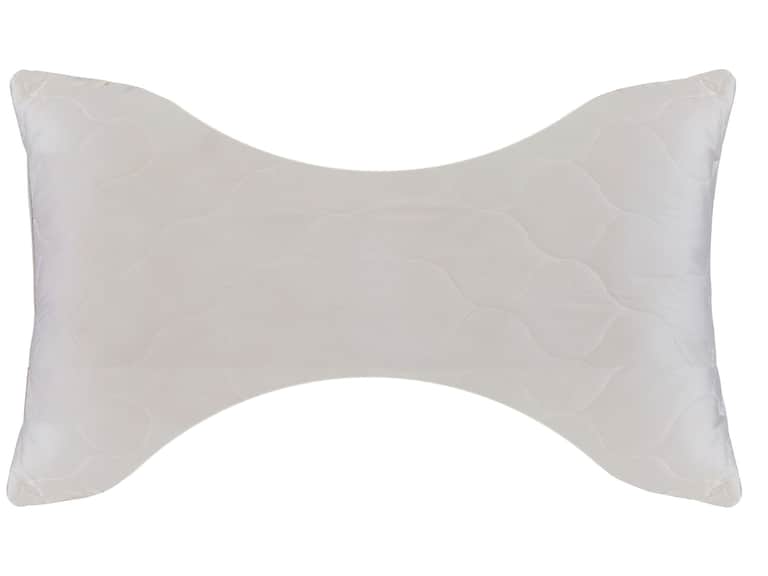
The Sleep and Beyond myDual Side Pillow exemplifies wool’s adaptiveness through dual-sided design to address different support needs. This pillow combines wool with complementary fills to balance contouring support and breathability, offering reliable neck and shoulder alignment while maintaining moisture management and long-lasting shape retention.
Organic and natural wool options often emphasize sustainable sourcing and hypoallergenic properties. For those seeking bedding solutions with wool, understanding fiber length, micron count, and processing methods helps identify products that minimize irritation and maximize comfort, particularly for sensitive skin or respiratory considerations in sleep environments.
In practical use, wool-based bedding and mattresses intersect with other essentials such as organic mattresses and crib mattresses, where wool contributes to moisture control and temperature balance. By recognizing how wool interacts with sheets, pillow fits, and bedding foundations, you gain insight into creating a consistent, healthy sleep setting across various bed types.
 Bedding