Wool comforters are bedding layers designed to provide warmth while allowing air to circulate around the sleeper. Wool fibers help manage moisture and temperature, making this type of comforter useful across changing seasons. Understanding fill, shell fabric, construction, and care requirements can help distinguish wool comforters from other bedding options.
Wool naturally absorbs and releases moisture, which can support a drier-feeling sleep environment. Its breathable structure may help moderate warmth rather than trapping heat in the same way as some dense synthetic fills. Comfort and warmth still depend on the comforter’s weight, room conditions, and individual sleep preferences.
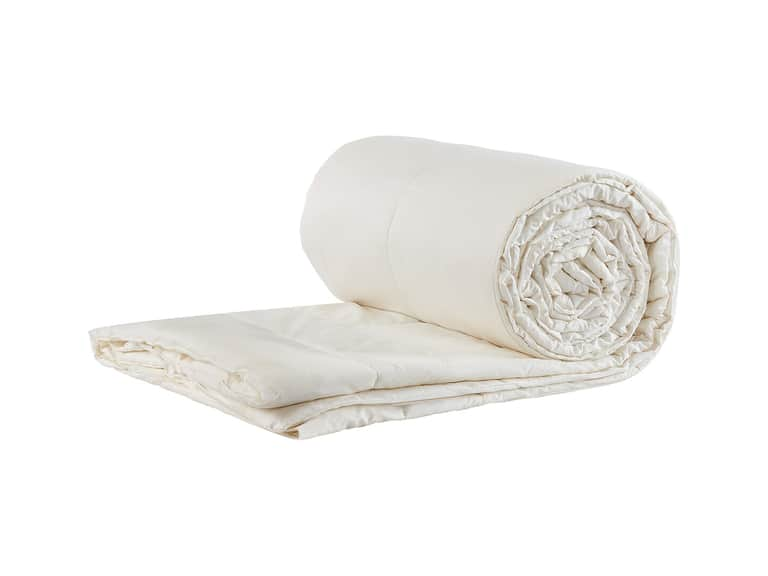
The Sleep and Beyond myComforter is a wool-filled comforter made for everyday bedding use. Its wool filling provides insulating warmth and natural moisture management, while the fabric shell contains the fill. Product details such as dimensions, shell material, and care instructions are useful considerations when matching a comforter to a bed and household routine.
Wool comforters function as part of a coordinated bedding setup with sheets and pillows, but they serve a different purpose from mattress layers. They provide a movable insulating layer above the sleeper. Those comparing bedding materials alongside organic mattresses or organic crib mattresses should check each product’s specifications and suitability for its intended use.
Care needs vary by wool comforter construction, so the manufacturer’s label should guide cleaning, airing, and storage. Regularly airing the bedding can help refresh it between washes, while gentle handling helps protect the fill and shell. Reviewing these practical details supports informed choices about comfort, maintenance, and long-term use.
 Bedding